Can Hyperbaric Oxygen Therapy Support Recovery After Cosmetic Surgery?
Cosmetic surgery places significant demands on the body’s natural healing processes. Following surgery, tissues require an adequate supply of oxygen and nutrients to repair, while swelling and temporary disruption to the local blood supply can affect oxygen delivery to the surgical area.
There is growing scientific interest in whether hyperbaric oxygen therapy (HBOT) can be used alongside conventional postoperative care to support recovery following cosmetic and plastic surgery.
Hyperbaric oxygen therapy involves breathing high concentration oxygen inside a pressurised chamber. Under increased atmospheric pressure, substantially more oxygen can dissolve directly into the blood plasma, increasing the amount of oxygen available for delivery to tissues.
This is particularly relevant to wound healing because oxygen is involved in several processes required for tissue repair, including cellular energy production, fibroblast activity, collagen synthesis, immune function and the formation of new blood vessels. HBOT has also been investigated for its effects on tissue swelling and ischaemia reperfusion injury, which can occur when blood flow returns to tissue following a period of reduced oxygen supply.
Recent clinical evidence is beginning to support the use of HBOT within aesthetic surgery. A 2025 systematic review and meta analysis examined 11 studies involving 734 patients undergoing aesthetic procedures, including abdominoplasty and breast surgery. Of these patients, 416 received HBOT, which was used postoperatively in the majority of the included studies. The review reported favourable findings relating to healing time, postoperative complications and patient satisfaction.
Further evidence has examined the role of HBOT more broadly within plastic and reconstructive surgery. A 2026 systematic review included 18 studies involving 1,281 patients, of whom 786 received HBOT. The researchers reported favourable outcomes across several areas, including wound healing and tissue recovery. However, the studies varied considerably in their design and therapy protocols, meaning further high quality controlled trials are needed to establish which patients are most likely to benefit and determine optimal therapy protocols.
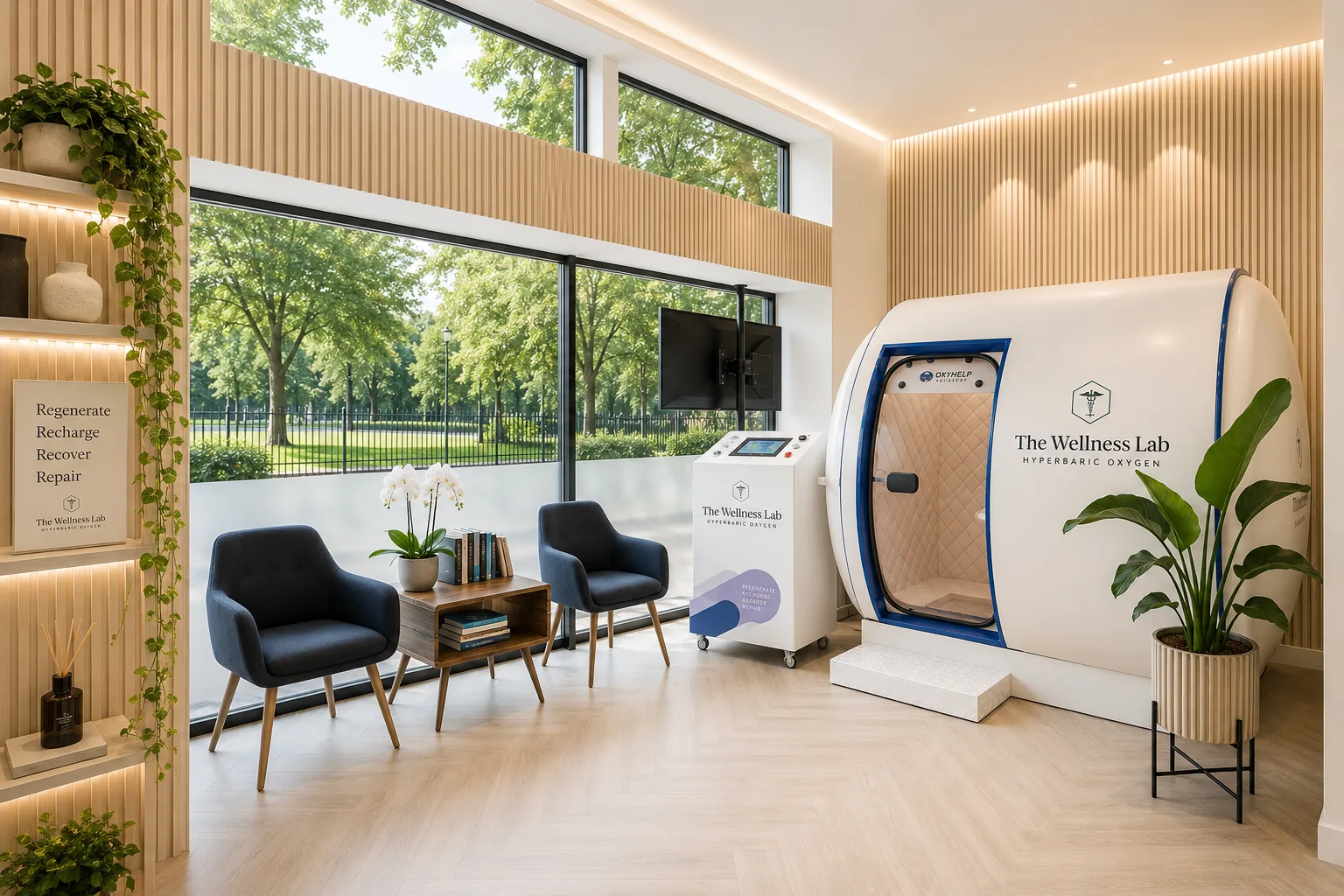
At The Wellness Lab, we regularly support patients following cosmetic and plastic surgery and work with a number of plastic surgeons who refer their patients to us for medically supervised HBOT as part of their postoperative recovery. We see patients following procedures including facelifts, rhinoplasty, breast augmentation and reduction, abdominoplasty, liposuction, blepharoplasty and other facial and body contouring procedures.
To learn more about Hyperbaric Oxygen Therapy and what to expect during a session, visit our Hyperbaric Oxygen Therapy page or contact our clinical team on WhatsApp 07724 601630 or by calling us to discuss whether HBOT may be suitable for you.
References
Mortada H et al. (2025). Efficacy of Hyperbaric Oxygen Therapy as an Adjunct in Aesthetic Surgery: A Systematic Review and Meta analysis of Postoperative Outcomes and Complications. Aesthetic Plastic Surgery.
Molina Vega J et al. (2026). Current Use of Hyperbaric Oxygen Therapy in Plastic Surgery: A Systematic Review. Plastic and Reconstructive Surgery Global Open.
Childers EJ, Baynosa RC. (2025). The Effect of Hyperbaric Oxygen on Compromised Grafts and Flaps. Undersea & Hyperbaric Medicine.
Interested in this therapy?
Speak to our team to find out how we can help with your specific needs.
Book Now